Let's Talk

DOCUMENT WORKFLOW SOLUTIONS

The work is ready to move. The paperwork isn’t.

Where is the work getting stuck?

Your team has the request and knows what needs to happen next. But someone is still chasing a missing file, checking which version is current, or entering the same information again.

Sometimes the process is unclear. Sometimes the systems don’t share what people need. And sometimes employees are expected to figure out a new way of working without enough explanation or support.

We work with your team to understand what’s happening, improve the process and technology where needed, and help the people doing the work use the result with confidence.

That might mean onboarding a client, approving a contract, or getting an equipment finance package ready for funding.

Keep documents and decisions connected from the first request through the final handoff.

One consulting and implementation engagement, scoped to the problem your business needs to solve.

THE CONNECTED DOCUMENT WORKFLOW

  1. Request and intake
  2. Documents and approvals
  3. Completed work and handoffs

RECOGNIZE THE PROBLEM

How much extra work does it take to move a document forward?

⇄

Entering the same data twice

Your team copies the same details between business systems, portals, and spreadsheets.

◎

Unclear document status

Your team can’t tell what’s missing, what’s been reviewed, or what’s been accepted.

↗

Chasing documents

Customer, vendor, or partner documents arrive through different channels. Your team follows up by email and phone.

→

Rework at each handoff

Information and documents don’t reliably reach the next person or system.

▣

A fragmented view of the work

Your team checks the CRM, shared folders, and other systems to piece together what happened.

These five symptoms can point to one underlying workflow problem.

ONE CONNECTED DOCUMENT WORKFLOW

Keep the work connected from intake through handoff.

Whether you’re onboarding a client, processing a funding package, or getting a contract signed, each step depends on the right information reaching the right person at the right time.

We examine the workflow as it actually operates, including:

01

Requests and intake

How requests and documents arrive, what’s required, where information is recorded, and who acts next.

02

Collection and review

How your team collects and organizes documents, follows up on missing items, and checks what’s ready for review.

03

Approvals and signatures

How documents are generated, routed for approval or signature, and linked to the right record.

04

Readiness and handoff

How your team tracks open items, confirms readiness, and passes completed files to the next person or system.

We improve the workflow and systems supporting the work. Your authorized staff retain responsibility for professional and regulated decisions, including credit, underwriting, and legal judgment.

INDUSTRY EXAMPLE: EQUIPMENT FINANCE

How these problems show up in equipment finance

Choose a role to see examples from the equipment finance workflow.

▤

Lenders and lessors

Is your team still chasing borrower documents and checking funding-package status manually?

You may be dealing with:

  • Application intake and incomplete submissions.
  • Required borrower and vendor documentation.
  • Credit-package preparation and due diligence administration.
  • Document checklists and outstanding conditions.
  • Funding-package review and acceptance status.
  • Executed-document packages and downstream handoffs.
  • Information that doesn’t stay consistent between CRM, LOS, portals, and document repositories.

We work with the people responsible for the workflow to clarify requirements, document status, responsibilities, exceptions, and the connections between systems.

The objective is a more dependable process for handling deal information and documents.

Your team retains responsibility for credit and underwriting decisions.

⇄

Independent brokers

How much time does your team spend assembling packages and checking what each funder still needs?

You may be dealing with:

  • Applicant and vendor information arriving through different channels.
  • Repeated requests for missing documents.
  • Different submission requirements across funders.
  • Credit-ready package preparation.
  • Submission and response tracking.
  • Approvals, declines, and follow-up.
  • Limited visibility into performance by funder.

We help improve the workflow you actually own, including how information and documents are organized, prepared, tracked, and handed off.

A broker who primarily uses a lender’s portal is not automatically a consulting fit. We first establish which processes, systems, and decisions the brokerage controls.

◎

Equipment vendors and dealers

Can your team see what happened after a customer was referred for financing?

You may be dealing with:

  • Vendor financing program workflows.
  • Referral and application intake.
  • Dealer or partner portal information.
  • Application and funding status.
  • Referral attribution.
  • Communication between vendor, dealer, broker, and lender.
  • Unclear handoffs when a customer or application moves to another organization.

We help improve the workflows your organization owns, including information flow, status visibility, referral tracking, and handoffs.

If you’re primarily looking to join a financing program or compare lenders, that’s a different need from consulting and implementation. We’ll establish the distinction before recommending a next step.

WHERE WE CAN HELP

Three connected problem areas.

These are useful ways to recognize where work may be breaking down. They are not separate service packages or mandatory project phases.

01

Document collection and follow-up

Missing documents. Repeated requests. Unclear ownership.

See document collection examples

We may help improve:

  • Application and document intake.
  • Document requirements by customer, request, or transaction.
  • Checklists and exception handling.
  • Document tracking and follow-up.
  • Submission packages for clients, partners, or reviewers.
  • Responsibilities for resolving missing or incomplete information.

The aim is to make requirements, status, and next actions easier to understand and manage.

02

Package readiness and acceptance

The documents have arrived. Is the package actually ready for the next step?

See package readiness examples

We may help improve:

  • Document completeness tracking.
  • Review and acceptance status.
  • Outstanding conditions and exceptions.
  • Approval and signature tracking.
  • Finalized-document handling.
  • Handoffs to funding, onboarding, fulfillment, or another team.

Your qualified employees remain responsible for determining whether documents meet credit, legal, underwriting, or other applicable requirements.

03

Documents and information across systems

Why are employees still checking several systems to see where one request stands?

See cross-system workflow examples

We may help improve:

  • Connections between CRM and other operational systems.
  • Information flow across customer and partner portals.
  • Shared document locations.
  • Duplicate data entry.
  • Folder creation, naming, permissions, and access.
  • Status updates and shared context across systems.
  • Tracking where requests and referrals originate.

We evaluate the systems already in place before recommending additional software or replacement platforms.

WHAT IMPROVEMENTS MIGHT INVOLVE

Make the process easier to manage. Don’t just automate the confusion.

Depending on the problem, we may help with:

Collect and organize

Requirements and business rules

Clarify which documents and information are required, when requirements vary, how exceptions are handled, and who maintains the rules.

Intake and document association

Connect incoming requests and documents to the right customer, application, or business record.

Tracking and follow-up

Improve visibility into what is missing, received, awaiting review, accepted, or ready for the next step.

Storage and access

Establish a dependable document location, naming conventions, permissions, and links between documents and business records.

Review and execute

Review and verification

Help define review instructions, track findings, and make corrections easier to manage. Qualified client personnel remain responsible for consequential review and acceptance decisions.

Document generation

Connect approved templates with existing business information so employees don’t repeatedly rebuild the same paperwork.

Approvals and signatures

Improve routing, responsibility, status visibility, and the handling of completed documents.

Hand off

Operational handoffs

Connect finalized documents and verified information to the records, people, and actions required to move work forward. We also help establish clear instructions and ownership so employees know what happens next and how to handle exceptions after handoff.

Employee guidance and training

Prepare employees for the updated process with clear instructions, practical guidance, and training where needed, including what to do when something goes wrong.

Not every engagement requires all of these capabilities. We agree on the appropriate combination based on your requirements, existing systems, dependencies, and scope.

TECHNOLOGY DECISIONS

Use the systems you have. Add or change technology when it makes sense.

Before recommending another platform or subscription, we look at how your existing systems are configured and used.

That may involve a CRM such as Salesforce, a document platform such as SharePoint, customer or partner portals, e-signature tools, or a specialist system such as a loan origination platform.

01

Sometimes clearer requirements and responsibilities solve much of the problem.

02

Sometimes better configuration or an integration is appropriate.

03

Sometimes a new capability is justified.

AI may help with specific tasks, such as extracting information from documents, preparing a first draft, or flagging details that need review. It is not a prerequisite. Before using it, we look at the information it can access, how results will be checked, what happens when it gets something wrong, and who remains accountable.

We do not assume that replacing your core systems or introducing AI is the right answer.

HOW WE WORK

Understand the actual workflow before deciding what should change.

01

Understand

We clarify the business problem, its consequences, the people involved, and what a useful improvement would look like.

02

Observe

We examine the official process diagram alongside real transactions, document examples, systems, exceptions, and workarounds.

03

Decide

We evaluate practical options, including improvements to existing systems, process changes, integration, automation, or other technology where justified.

04

Design

We define the requirements, business rules, responsibilities, workflow, and solution details needed for the agreed scope.

05

Implement

We configure, connect, automate, and deliver the agreed improvements alongside your team and relevant technology partners.

06

Verify & Transfer

We test representative transactions and exceptions with the people who will use the process. We explain what is changing, provide practical guidance or training where needed, address problems, and establish who will support and maintain the workflow.

The depth of each stage depends on the engagement. These are not six separate products or mandatory paid phases.

CLIENT WORK IN FINANCIAL SERVICES

Practical improvements. Clear boundaries on what changed.

01

Two Systems Tracked the Deal. Neither Showed the Whole Picture.

We helped an equipment finance organization connect Salesforce with its core finance system and a shared SharePoint document location.

The integration connected deal information and document access. Document review, completeness checks, and credit decisions remained separate activities.


Brainiate case study featured image with David Giller and the headline "100% to 0% Duplicate Entry" about Salesforce and equipment finance system integration.

02

The Deal Was in Salesforce. Where Were the Documents?

We helped an equipment-finance business establish a consistent SharePoint document home connected to Salesforce.

Folder creation was triggered by the agreed Salesforce Opportunity stage, with standardized folder structures, naming conventions, permissions, and linked access.

The implementation automated folder organization and access. It did not automatically collect, upload, review, or approve the underlying documents.

Featured image with David Giller and the headline "Your Deal Documents Are Everywhere" for a Salesforce and SharePoint document automation case study.

03

From Rebuilding Proposals to Reviewing Them

We helped an insurance business move from manually rebuilding proposals to Salesforce-connected Conga document generation, with employees reviewing the generated proposals.

The owner-reported experience was substantially faster preparation, higher proposal throughput with unchanged proposal-preparation staffing, and more time for other responsibilities. These are qualitative, owner-attested outcomes, not independently measured savings.

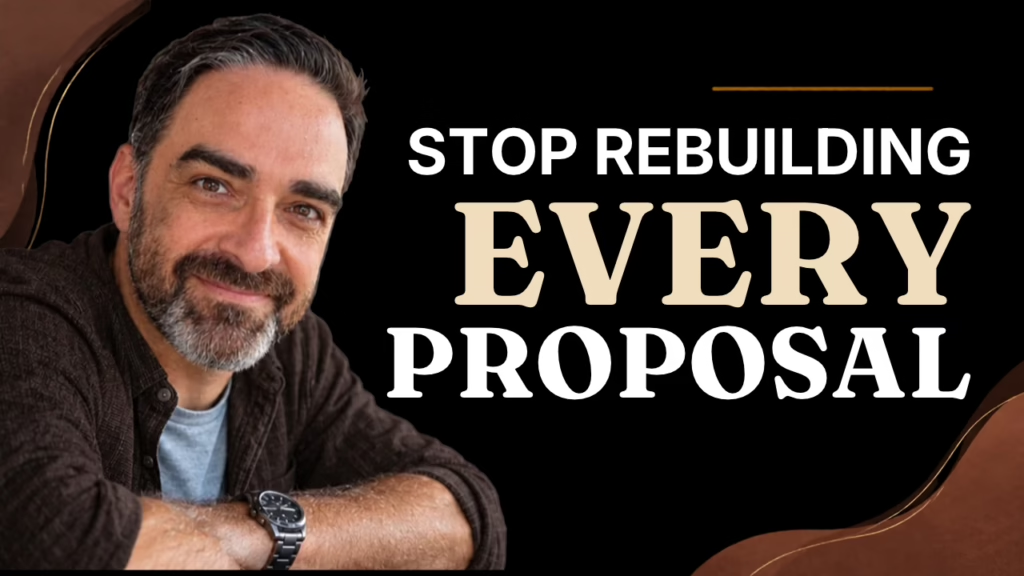
Brainiate case study featured image with David Giller and the headline "Stop Rebuilding Every Proposal" about Salesforce proposal generation automation.

IS THIS THE RIGHT KIND OF HELP?

When we can help and when another approach may make more sense.

✓

We may be a good fit when

  • Your team repeatedly chases missing documents or information.
  • Documents and status updates are scattered across systems.
  • Employees re-enter information or maintain competing records.
  • It’s hard to tell when a package is ready or who owns the next step.
  • You have a defined workflow improvement or implementation need.
  • Your organization can involve the people who understand and own the process.
  • You want a collaborative consulting partner who can help implement the agreed improvements.

–

We may not be the right fit when

  • You’re simply looking to purchase a document-storage product.
  • You’re looking for a product or partner program without an internal workflow to improve.
  • You expect us to make credit, underwriting, legal, or regulatory decisions.
  • You want AI to make consequential decisions without appropriate human oversight.
  • Your organization cannot provide the people, information, access, or decisions needed to implement and test changes responsibly.
  • You require guaranteed outcomes before the requirements, feasibility, and scope can be established.

FREQUENTLY ASKED QUESTIONS

Frequently asked questions

No. You may know that employees are chasing documents, entering information repeatedly, or waiting for approvals without knowing why. We can work with your team to understand what’s happening and identify what is worth improving.

Yes. The same bottlenecks show up wherever people need to collect, review, approve, or hand off documents. Client onboarding, contract approvals, and vendor documentation are common examples. We scope the work around the process your team owns.

We help lenders, lessors, brokers, vendors, and dealers improve workflows they own, including collecting borrower documents, tracking submissions, preparing funding packages, and handing off records between organizations. Credit and underwriting decisions remain with authorized client personnel.

Not necessarily. We examine the systems already in place, their capabilities, integration options, access, licensing, vendor constraints, and ongoing maintenance requirements before recommending changes.

We can help design and implement workflows for intake, tracking, follow-up, review instructions, and status visibility. The rules that determine whether documents are acceptable, whether conditions are satisfied, and whether work is ready for the next step remain with the appropriately authorized client personnel.

Where it makes practical sense. AI is not a requirement for an engagement. Any proposed use must be evaluated for reliability, information access, review effort, data exposure, and human accountability.

No. You can approach us when you already know what needs to be implemented. The initial Workflow Clarity Conversation is typically a no-charge, 30-minute qualification discussion. It does not include a comprehensive diagnosis or guarantee a roadmap. We agree on the appropriate paid scope before work begins.

We need access to the people who understand the process, own the business rules, evaluate the solution, and approve the work. The specific involvement depends on scope.

That may include walking through real examples, testing changes, and giving employees time to learn the updated steps. We establish responsibilities and availability before making delivery commitments.

Where is the work getting stuck?

Tell us where documents or handoffs slow down, what your team has tried, and what you’d like to improve. We’ll talk through whether we can help and what a sensible next step would look like.